
Sell Your Rental Property in Covington, WA
Ready to stop being a Covington landlord? Sell your rental for cash — even with tenants in place.
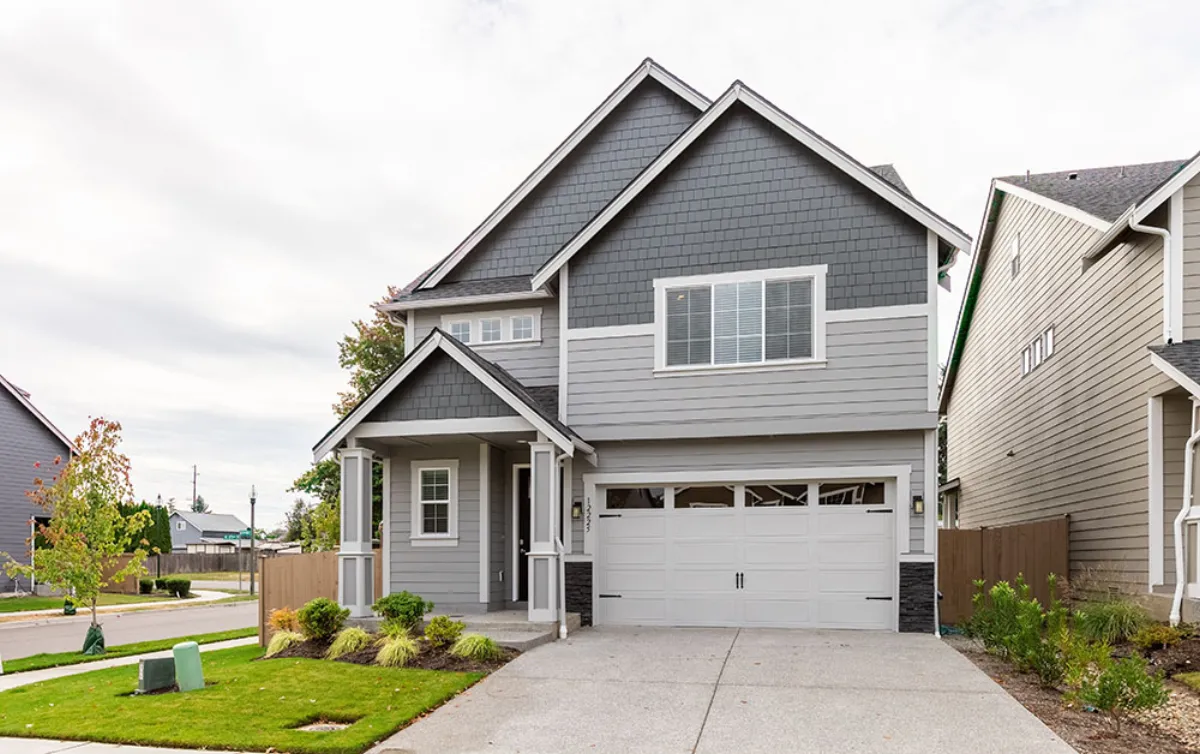
What 1,500 Closings Taught Me About Selling Rentals in Covington
Here’s the question I hear from landlords more than any other: “Is this still worth it?”
Not “how do I sell?” Not “what’s my property worth?” The real question is whether the juice is still worth the squeeze. After closing more than 1,500 transactions — many of them rentals where the owner had simply run out of patience — I’ve learned that the answer usually isn’t about the property. It’s about you.
I moved to Covington a few years back to raise my kids, and I’ve watched this place change. The median home price hovers around $625,000 now. Jenkins Creek and Covington Town Center look nothing like they did a decade ago. That appreciation built serious equity for long-time owners. But it also raised tenant expectations, bumped property taxes, and quietly narrowed the margins that made rentals attractive in the first place.

If you’re weighing whether to hold or exit, this is the practical breakdown — no fluff, just the math and the reality of your options.
The Equity Trap Nobody Talks About
Most Covington landlords I’ve worked with aren’t struggling. They’re just tired. The property performs. The tenant pays. But something feels off.
Here’s why: your return isn’t what you think it is.
Let’s run real numbers. Say you bought in 2015 for $380,000. Today, that property might be worth $540,000. Your mortgage balance is $210,000, leaving you with roughly $330,000 in equity. You’re collecting $2,200/month in rent. After mortgage, property tax, insurance, maintenance reserves, and vacancy allowance, you net maybe $370/month. That’s $4,440/year — about 1.3% return on your equity.
Would you invest $330,000 today for a 1.3% return and the privilege of fielding maintenance calls?
Some owners explore a 1031 exchange into a higher-yielding property to stay in real estate while improving that number. Others decide the better move is cashing out entirely. Both are valid. The mistake is holding by default because selling feels like giving up.
Three Ways to Exit a Tenant-Occupied Rental
You have options, and they each carry tradeoffs:
-
List on the MLS. This can maximize price if your property is updated and you’re willing to wait for the lease to end or coordinate showings around tenants. It’s slower and requires more involvement, but the buyer pool is largest.
-
Sell directly to an investor. Investors buy tenant-occupied properties constantly. They care about lease terms, rent roll, and condition. You avoid the showings circus, and tenants can stay in place. The tradeoff is that investors price in risk and repairs.
-
Sell as-is with minimal prep. This is common when owners don’t want to spend money or time before closing. You’re trading some price for speed and simplicity — and that’s often a very rational choice.
If you’re navigating a divorce or facing foreclosure, the timeline usually matters more than squeezing out every last dollar. Clean exits have real value.
What’s Actually Happening in Covington Neighborhoods
Covington Town Center is the commercial heart now. Walkability, newer construction, and proximity to shopping draw tenants who want convenience. Rents are strong, but so are property taxes and expectations for modern finishes. If your rental here has original cabinets and carpet, you’re competing at a disadvantage.
Jenkins Creek and Timberlane attract families who want space and quiet. The Jenkins Creek Trail is a genuine amenity. These areas produce steady demand, but tenants here notice deferred maintenance faster than you’d expect.
Lakeside benefits from proximity to Lake Youngs. Tenants pay a premium for the outdoor access, but properties near water require more upkeep. Moisture, drainage, and roof wear add up.
The pattern across all these neighborhoods: appreciation has been great, but operating costs have risen alongside it. What worked five years ago doesn’t necessarily work today.
The Hidden Costs of Holding
Turnover in South King County has increased as more people move in and out of the region. Every turnover costs you — vacancy, cleaning, repairs, re-listing, screening. Even if your current tenant is solid, you’re one notice-to-vacate away from a $3,000 month.
Older rentals face another pressure: competing with newer inventory. Tenants have options now. If your property needs $20,000 in updates to stay competitive, you have to weigh that against how long you plan to hold and what your net return will be after improvements.
This is the calculation most landlords avoid making. It’s easier to keep collecting rent than to face the spreadsheet honestly.

If you’ve landed in an inheritance situation, the math gets more complicated. You’re managing a property you didn’t choose, often from a distance, often with emotional weight attached. Speed and clarity become priorities.
What Selling to an Investor Actually Looks Like
Investor sales move faster because the buyer isn’t trying to fall in love with the kitchen. They’re underwriting the deal based on rent, condition, and location. That means:
- No staging or open houses
- Tenants can stay in place
- Fewer contingencies
- Predictable closing timelines
The tradeoff is price. Investors factor in repairs and risk, so you’re paying for convenience. That’s fine if you value your time and sanity — just know what you’re trading.
Don’t accept any offer without understanding your net. Ask for a clear breakdown of how they arrived at the number. If a buyer can’t explain their math, walk away.
Four Questions Before You Decide
Ask yourself these honestly:
- Is my net return on equity above 3%? If not, why am I holding?
- Would I buy this same property today at its current value?
- How many hours per month does this rental actually cost me?
- What would a $15,000 repair do to my cash flow this year?
If the answers make you uncomfortable, that’s information. Use it.
Selling As-Is Isn’t Desperation
I want to be clear about this: choosing to sell as-is without repairs doesn’t mean you’re in trouble. It means you’re prioritizing time and simplicity over maximizing every dollar. That’s a legitimate strategy, especially if you’re done managing contractors and tenants.
You can get quotes from local investors, list traditionally, or explore hybrid approaches like targeted investor marketing. Companies like HouseRush are one option in that mix — compare terms and timelines across multiple buyers before committing.
The Decision That Fits Your Life
If you’re ready to sell your Covington rental, the question isn’t whether the property is “good” or “bad.” It’s whether holding still makes sense for you — your goals, your time, your risk tolerance.
I’ve watched too many landlords hold properties for years past the point where it made sense, just because selling felt like admitting defeat. It’s not. It’s redeploying capital and reclaiming time.
Run your numbers. Be honest about the stress. Then make the call that fits your life, not just your spreadsheet.

Two Options for Covington Homeowners
Your situation is unique. That's why we show you both paths.
Cash Offer
- Offer in 48 hours or less
- Close in as little as 14 days
- Sell as-is — no repairs, no showings
- No agent commissions or fees
List on the Market
- Full market exposure in Covington
- Professional pricing strategy
- See exactly what you'd net after costs
- We handle everything
Frequently Asked Questions
Yes. We buy tenant-occupied properties in Covington regardless of lease type or remaining term. The lease continues, the tenant stays, and you close without involvement in eviction or tenant management. You are completely done.
Newer construction in Covington Town Center and surrounding neighborhoods often includes HOA fees for common amenities and maintenance. We factor HOA costs into our offer, and the new owner assumes those obligations. It does not prevent a cash sale.
Yes. We buy rental properties across King County, including Covington, Auburn, Kent, and surrounding areas. Whether you own one property or a portfolio, we can structure a sale that works for your timeline and tax situation.
We buy in any condition. Tenant damage is expected wear on rental properties — it adjusts the price but does not prevent a sale. No repairs, no cleaning, no inspections needed before closing.
Likely yes. Investment properties do not qualify for the primary residence exclusion. Washington's capital gains tax applies to gains above $250,000 on investment property sales. A 1031 exchange can defer the tax if you reinvest in another property — let us know if that interests you and we will accommodate the timeline.
Get Your Free Covington Home Comparison
See your cash offer and listing price — takes 2 minutes.