
Sell Your Rental Property in Walla Walla, WA
Ready to stop being a Walla Walla landlord? Sell your rental for cash — even with tenants in place.
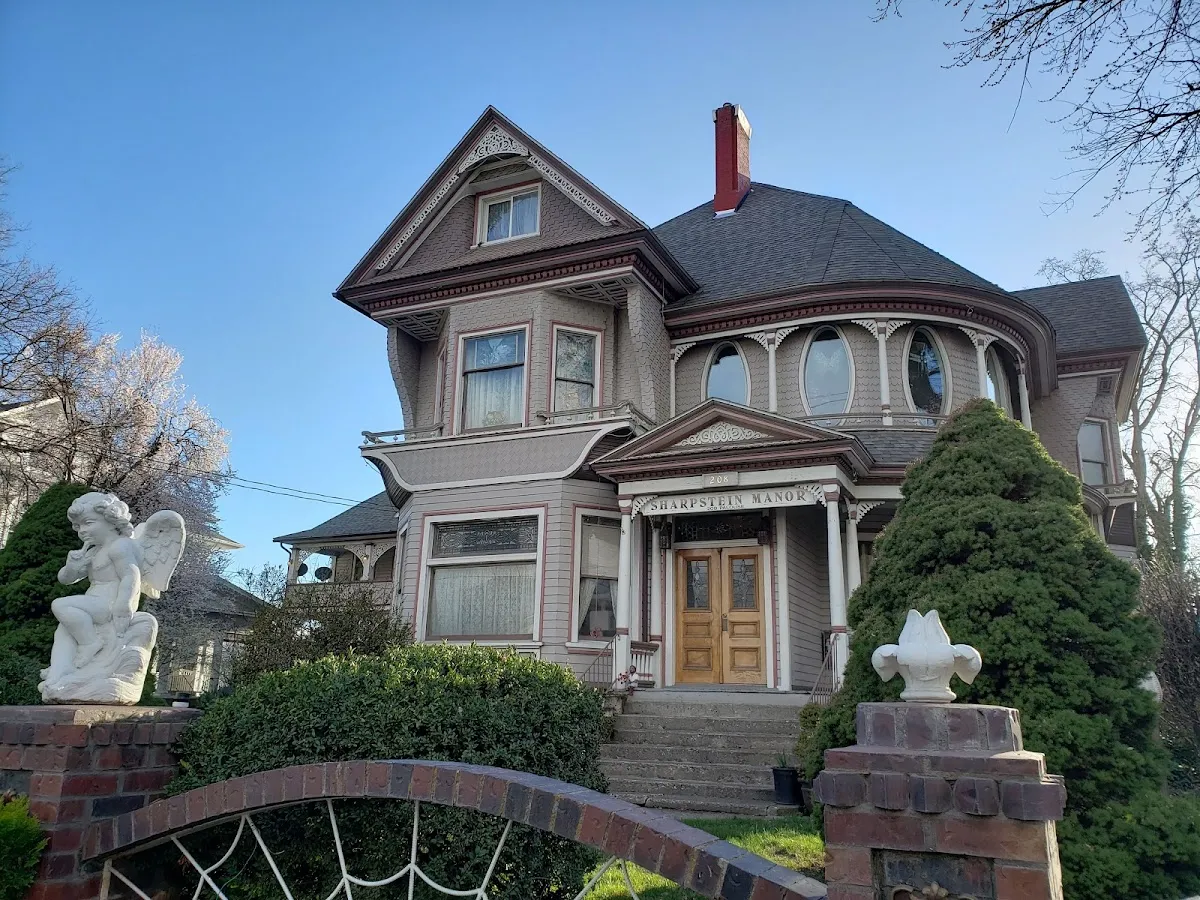
When Wine Country Equity Sits Idle
That rental near Whitman College looked like a smart move five years ago. Steady college-town demand. Wine tourism bringing visitors year-round. A property that would “pay for itself.”
So why does every text from your tenant make your shoulders tense?

I’ve spent fifteen years walking alongside families in the Tri-Cities through housing decisions. The pattern I see in Walla Walla is familiar: the numbers work on a spreadsheet, but real life includes midnight plumbing calls, turnover headaches, and equity trapped in walls instead of working for you.
Let’s talk about what your options actually look like.
The Math That Keeps Landlords Stuck
With Walla Walla’s median home price around $380,000, many rental owners are sitting on serious equity. The real question isn’t whether you can sell—it’s whether that money could work harder somewhere else.
Here’s what I tell people straight up:
- Tenant-occupied homes attract fewer buyers. Most families want to move in, not inherit a lease.
- Inspections on rentals get rough. Years of tenants mean wear, and buyers expect credits.
- Financing slows down when leases and rent records enter the picture.
- You’re still the landlord until closing day. That water heater doesn’t care about your escrow timeline.
If speed matters to you, a cash offer means speed and simplicity. That might come from a local investor or a company that buys homes directly. Just understand exactly what you’re trading in price for that convenience.
Walla Walla’s Neighborhood Realities
Each area here has its own rental rhythm, and it affects who might buy your property:
Downtown draws wine-country visitors and young professionals, but turnover runs higher. College Place fills up during the school year and empties out in summer—investors know this and price accordingly. Blue Mountain and Garrison Village tend toward families who stay put longer, which means steadier income but also tenants who’ve been there a while. Pioneer Park offers that quieter, more spacious feel renters pay a premium for.
These patterns shape your rent, your turnover costs, and ultimately what an investor will offer.
What Selling to an Investor Actually Looks Like
Most investors buying rentals take over the lease and buy as-is. The process usually goes like this:
- You share the basics—rent amount, lease terms, property condition, and your timeline.
- They make an offer based on the income the property generates and local comparables.
- You decide. No pressure. No obligation.
- If you accept, you close in a few weeks. The lease transfers. You walk away clean.
Selling a rental property as-is works when you don’t want to fix things up or deal with buyer repair requests. It’s not always the highest price, but it’s often the fastest path to done.
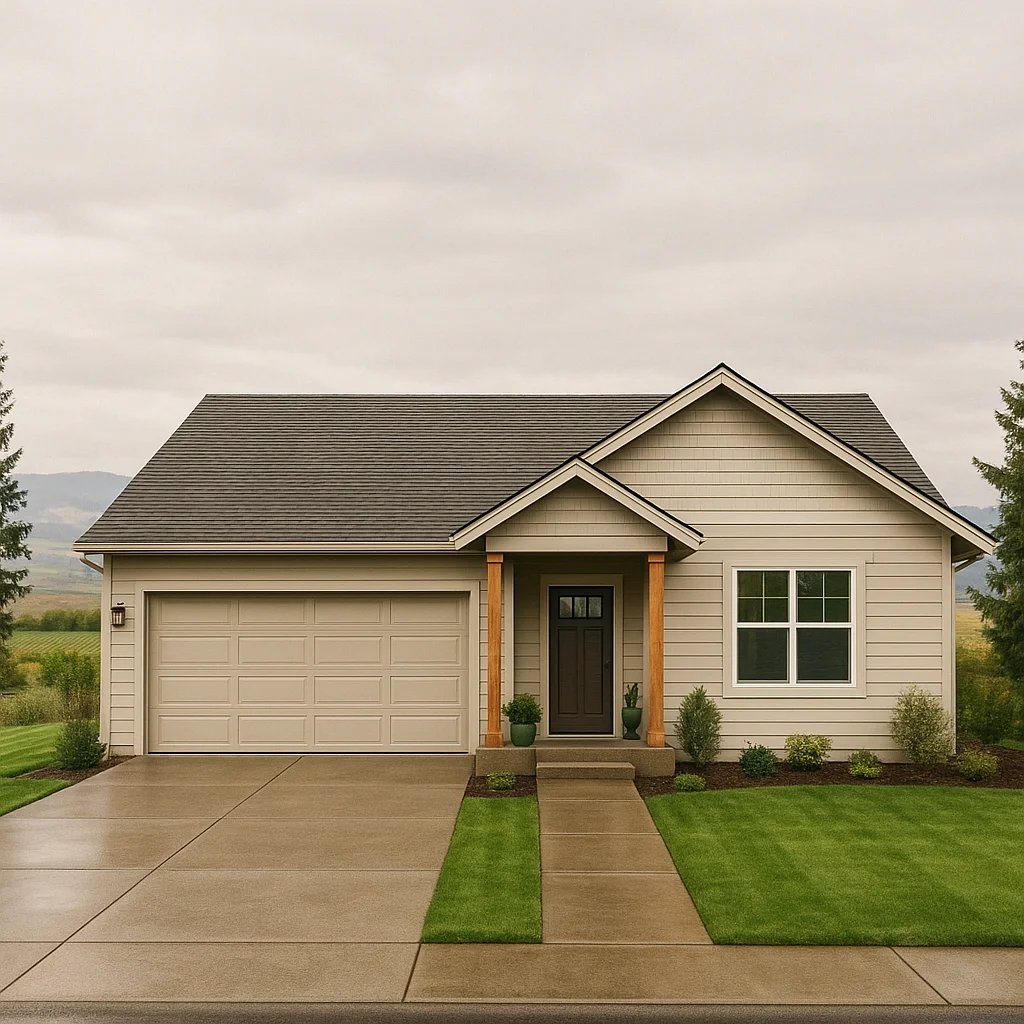
A Quick Gut Check
Before you decide anything, run through these questions honestly:
Is your rent actually strong after all the costs? Property taxes, insurance, maintenance, vacancy, and your time all count. If you’re barely breaking even, that property is essentially a savings account paying zero interest.
How much equity is locked up? If you bought in 2015 or 2018, you might have six figures sitting there doing nothing.
Are you tired? That matters more than most spreadsheets capture.
What’s your tax situation? Selling a rental property as-is can trigger capital gains, but timing and deductions might soften the hit. Talk to a CPA before you commit to anything.
When Life Forces the Decision
Sometimes the choice gets made for you. An inheritance you didn’t expect. A business opportunity that needs capital. A move across the country. Or you are going through a divorce and need assets divided cleanly.
I’ve sat with families in every one of those situations. The goal isn’t to maximize every dollar—it’s to get clarity and move forward.
The Burnout Nobody Talks About
Here’s what I’ve watched happen too many times: good people run themselves into the ground over a rental that was supposed to create freedom.
Tenant drama at dinner. Weekends spent on repairs. Property managers who still call you for every decision. The money might work on paper while your life falls apart around it.
If being a landlord is costing you sleep, your health, or time with people you love—that’s a real cost. It’s okay to be done.
Your Actual Next Step
Pull your numbers together this week. Current rent. All your expenses—not just mortgage, but taxes, insurance, repairs, vacancy. Your rough equity based on what similar places have sold for.
Then look at your real options: list it traditionally and wait for the right buyer, sell to a local investor, or explore companies that purchase rentals with tenants in place. One example is HouseRush, which buys homes in Walla Walla—though that’s one path among several worth considering.
The best choice fits your finances and your life. For a lot of Walla Walla landlords sitting on wine-country equity, the smartest move is the one that finally lets them stop being a landlord. You can sell your Walla Walla home fast or take your time with a traditional sale—either way, start with the numbers and go from there.

Two Options for Walla Walla Homeowners
Your situation is unique. That's why we show you both paths.
Cash Offer
- Offer in 48 hours or less
- Close in as little as 14 days
- Sell as-is — no repairs, no showings
- No agent commissions or fees
List on the Market
- Full market exposure in Walla Walla
- Professional pricing strategy
- See exactly what you'd net after costs
- We handle everything
Frequently Asked Questions
Yes. We buy tenant-occupied properties in Walla Walla regardless of lease type or length. The lease continues, the tenant stays, and you are done. No eviction needed, no vacancy period, no transition headaches.
We buy in any condition. Tenant-occupied rentals often show wear — deferred maintenance, tenant damage, and aging systems are expected. Condition adjusts the price but does not prevent a sale. No repairs needed before closing.
Yes. Long-term leases actually make the property more attractive to us because tenant turnover risk is lower. We assume the lease as-is and continue collecting rent. The lease term does not complicate the purchase.
Investment properties do not qualify for the primary residence exclusion. Washington's capital gains tax applies to gains above $250,000 on long-term capital assets. A 1031 exchange can defer the tax if you reinvest in another property — let us know if you are considering one and we will accommodate the timeline.
Many Walla Walla landlords bought when the city was more affordable and have watched equity grow significantly. If your rental income no longer justifies holding the property and you could redeploy that capital elsewhere, selling makes sense. We can help you run the numbers.
Get Your Free Walla Walla Home Comparison
See your cash offer and listing price — takes 2 minutes.