
Sell Your House Fast When Relocating from Vancouver, WA
Relocating from Vancouver? Sell your home fast so you can focus on what is next.
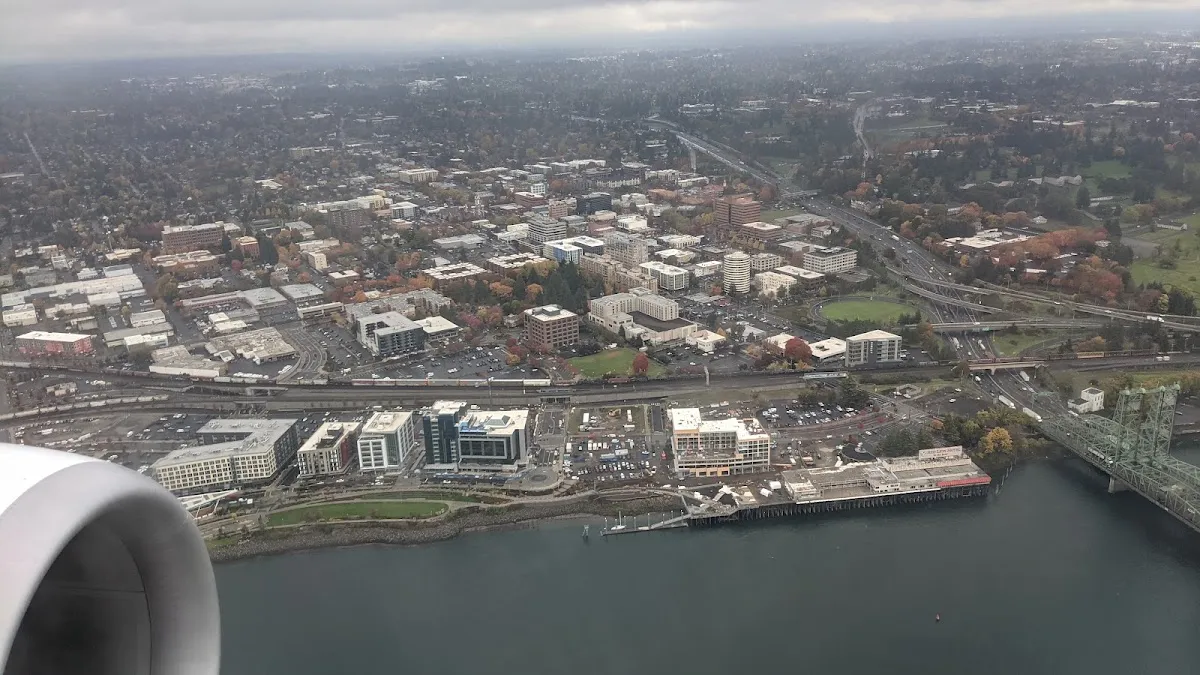
The I-5 Bridge Changes Everything
You picked Vancouver for a reason. Maybe it was escaping Oregon’s income tax while keeping that Portland job. Maybe the housing prices made sense when Seattle felt out of reach. Now you’re leaving, and the same border that worked in your favor creates complications most sellers don’t see coming.

I’ve photographed over 2,000 listings across Clark County and Portland. The pattern is obvious: Vancouver sellers relocating out of state underestimate how much the cross-border dynamic affects their timeline. Your buyer pool, your tax situation, and your closing options don’t work like other Washington cities.
Two paths exist when you need to sell your Vancouver home on a deadline:
- Accept a cash offer from an investor (close in days, skip the showings)
- List on the market (potentially higher price, 60+ day timeline)
Critical warning: if your move date is locked, you cannot recover from a delayed closing. Build your plan around timeline first. Price comes second. When speed matters most, cash lets you close the chapter cleanly.
Portland Employers Run This Market
A huge share of Vancouver homeowners cross that bridge daily. Intel, Nike, Providence, OHSU—these companies drive relocation decisions constantly. When Portland transfers you somewhere else, you’re managing a Washington home sale while your career shifts to another state. The timing pressure is real.
Here’s what catches people off guard: many families chose Vancouver specifically to dodge Oregon income tax. If you’re moving to a state with income tax (or into Oregon itself), that advantage disappears. Selling before your residency officially changes can be financially smart—but the rules are specific and the dates matter.
Don’t guess on this. Talk to a cross-border CPA before you pick a closing date.
Portland job loss creates a different kind of urgency. Your Vancouver mortgage doesn’t pause because your paycheck stopped. Neither do property taxes, insurance, or utilities. That’s when comparing cash home buyers vs realtors becomes a practical exercise, not a hypothetical one.
The Remote Work Reversal

I see this constantly now. Remote workers moved to Vancouver for the value and the tax savings. Then companies changed their policies. The move back to Portland, Seattle, or wherever headquarters sits happens fast—sometimes with weeks of notice, not months.
If that’s your situation, prioritize a clean exit over maximizing every dollar. The math rarely works in your favor when you’re paying rent somewhere new while carrying a vacant house here.
Vancouver also pulled in residents from Seattle and California chasing affordability. Some discover the I-5 and I-205 traffic isn’t what they signed up for. Others find suburban Clark County doesn’t fit long-term. When you’re moving again, the goal is simple: don’t let the house slow down your next chapter.
Retirees heading to Arizona or Florida often want the simplest path possible. Selling to an investor means a predictable close date and fewer moving parts—no staging, no showings, no last-minute repair negotiations.
Why Vancouver Sellers Have Leverage
Your buyer pool is unusual. You’re not just selling to Washington residents—you’re selling to Portland-metro buyers chasing the same tax advantage you enjoyed. That cross-border demand is strongest around the $480,000 median price, which is exactly where most Vancouver homes sit.
This keeps sales moving even when other Washington markets slow down.
The advantage applies whether you list traditionally or sell fast. The difference is how much timeline control you’re willing to trade for potential upside.
Neighborhood Patterns in Clark County
These differences show up in every listing I shoot:
- Downtown, Arnada, Hough — older homes with character, strong demand, but buyers scrutinize condition closely
- Carter Park — solid mid-century houses where buyers expect some updates but still compete
- Minnehaha — more affordable with mixed condition, steady investor activity (this is where “we buy houses” searches spike because investors are active here)
Days-on-market varies significantly even within Vancouver. Knowing your neighborhood’s pattern helps you set realistic expectations.
The Real Cost of Waiting
Here’s what carrying a $450,000 Vancouver home actually costs monthly:
- Mortgage payment: $2,800–$3,200
- Clark County property taxes: $350–$450
- Insurance, utilities, basic maintenance: $250–$400
- Monthly total: $3,400–$4,050
Two months of carrying costs runs $6,800–$8,100. If you’re already paying rent or a mortgage in your new city, that double payment erodes your equity fast. This is why timeline matters more than most sellers initially think.
When Traditional Listing Makes Sense
Listing works if you have room to breathe:
- 60+ days before you absolutely need to close
- A home that’s move-in ready and photographs well
- Selling during spring or summer when Portland-metro demand peaks
- Located in Downtown, Arnada, Hough, or another high-demand pocket
For a broader perspective on your options, our guide to selling your house fast in Washington walks through the tradeoffs.
A Process That Actually Works
The cleanest approach I’ve watched succeed:
- Lock your timeline before you think about price
- Get two numbers—a fast-sale offer and a realistic listing projection
- Calculate carrying costs for 60–90 days
- Choose the path that protects your move date
If your home needs work and you’re already packing boxes, selling house as-is saves you from managing contractors remotely. Companies like HouseRush are one option for a quick close, though they’re not the only investors active in Clark County—demand here stays strong because rents are solid.
When bigger life changes overlap with relocation—a divorce or facing foreclosure—the decision gets heavier, not simpler. The answer stays the same: get clear on your timeline, then pick the sale path that protects it.
Vancouver’s cross-border position gave you an advantage when you moved here. Use it on the way out too.

Two Options for Vancouver Homeowners
Your situation is unique. That's why we show you both paths.
Cash Offer
- Offer in 48 hours or less
- Close in as little as 14 days
- Sell as-is — no repairs, no showings
- No agent commissions or fees
List on the Market
- Full market exposure in Vancouver
- Professional pricing strategy
- See exactly what you'd net after costs
- We handle everything
Frequently Asked Questions
Our cash offer closes in 12-14 days. Whether you are moving for an Oregon job, leaving the Portland metro entirely, or heading across the country, we match your timeline.
Your home sale is governed by Washington law regardless of where you work. Washington's closing process is straightforward. The cross-state angle mainly affects your tax planning — if you are moving to Oregon permanently, you will owe Oregon state income tax going forward, which is worth factoring into your net proceeds calculation.
Vancouver attracts strong rental demand from Portland commuters who want Washington's no-income-tax advantage. But managing a rental remotely means property management fees and tenant risk. If you are leaving the Portland metro entirely, the management burden increases significantly.
Yes — newer construction in Salmon Creek, Felida, and areas toward Camas typically sells faster than older central Vancouver housing. If you have 60+ days, listing a newer Vancouver home is worth considering. We show you both options.
Yes. Remote closing is standard. Whether you have moved to Portland, another state, or overseas, we handle everything from the Vancouver side.
If you are a Washington resident selling Washington property, the sale itself is not subject to Oregon income tax. However, your overall tax situation depends on residency timing and your specific circumstances. Consult a CPA familiar with WA/OR cross-border issues — this is a common situation in the Vancouver market.
Get Your Free Vancouver Home Comparison
See your cash offer and listing price — takes 2 minutes.