
Sell a House Needing Repairs in Covington, WA
House needs work in Covington? Sell as-is for cash or see what repairs could be worth.
That Repair List Keeps Growing, Doesn’t It?
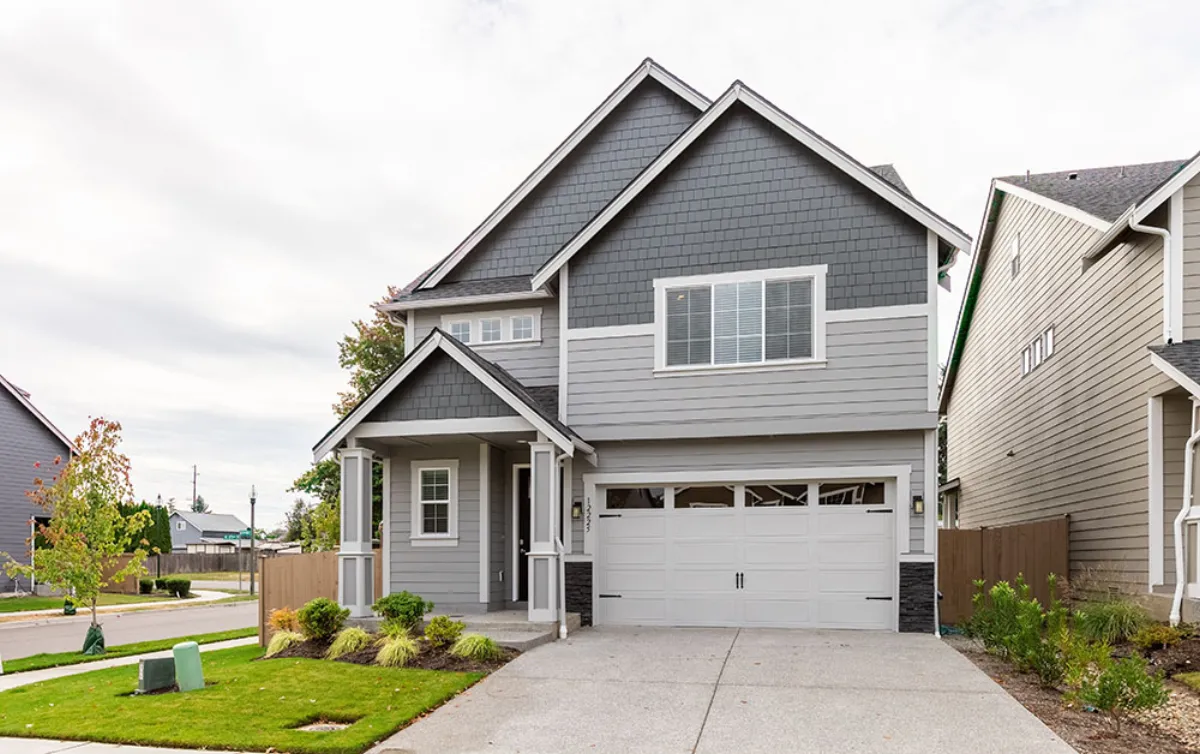
You walk through the house one more time. The roof’s got maybe a year left. The electrical panel is the kind inspectors flag. The crawl space smells like moisture you don’t want to think about. And somewhere in the back of your mind, you’re doing math that doesn’t add up.
I spent twelve years as a title closer in King County. Processed over 1,500 transactions before I burned out and moved to Covington to raise my kids. What I learned sitting at those closing tables is this: the deals that fall apart usually fall apart because someone didn’t have the real numbers.
So let’s get you the real numbers.
You’ve got two paths here. Fix everything, list traditionally, and hope inspections go smoothly. Or sell as-is to an investor who takes on the work themselves. Both can work. But you can’t pick without doing the math honestly.
South King County Prices Don’t Make Repairs Cheaper
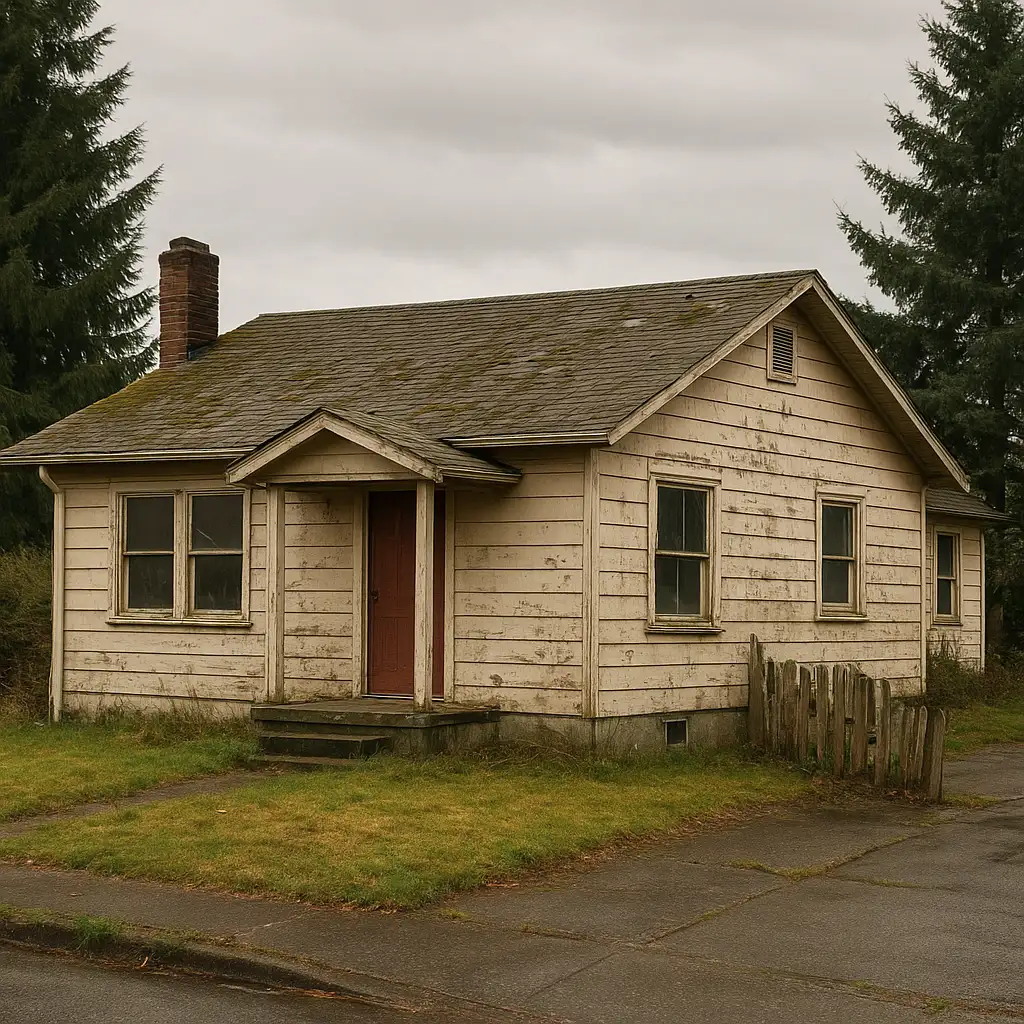
Covington’s median sits around $625,000. That sounds like a cushion until you price out what contractors charge in this market. High home values don’t lower labor costs. They raise the stakes when something goes wrong.
Here’s what the big repairs actually run:
- Roof replacement: $15,000–$25,000
- Foundation work: $10,000–$50,000+
- Electrical updates: $8,000–$20,000
- Plumbing and water damage: $5,000–$30,000
- HVAC replacement: $6,000–$12,000
- Mold remediation: $2,000–$10,000+
If you’re also facing a foreclosure timeline, these numbers get worse. A two-month repair project eats into time you might not have.
Here’s what I wish more sellers understood: starting a major repair and running out of money or time can leave you worse off than selling as-is on day one. I watched it happen at closing tables more times than I can count.
What Covington Buyers Actually See
Jenkins Creek, Timberlane, Lakeside, the Town Center area—buyers here want space and relatively newer construction. But even the homes built in the early 2000s are showing their age now. Roofs need replacing. Furnaces are failing. Water heaters are at end of life.
Most buyers in this price range are financing. Financing means inspections. Inspections mean appraisals. Appraisals mean lender requirements.
A home with major deferred maintenance doesn’t just sell for less. It can fail to close entirely when the lender’s appraiser flags structural or safety issues. I’ve seen deals die three weeks before closing because nobody budgeted for what the inspector found.
Running the Actual Numbers
Let me show you a scenario I’ve seen play out in the Jenkins Creek area.
After-repair value: $625,000 Repairs needed: $40,000 roof + $15,000 electrical + $10,000 cosmetics
The listing path looks like this:
- Sale price: $625,000
- Agent commission (5.5%): -$34,375
- Repairs: -$65,000
- Closing costs: -$3,000
- Carrying costs while you wait: -$4,000
- Net: $518,625
The as-is investor path:
- Offer based on after-repair value minus their repair costs: $520,000
- Minimal closing costs: -$500
- Net: $519,500
Nearly the same number. But here’s the difference nobody talks about: the listing path only works if repairs stay on budget, contractors show up on time, and inspections go smoothly. In real life, that’s three separate gambles.
Some Fixes Do Pay Off
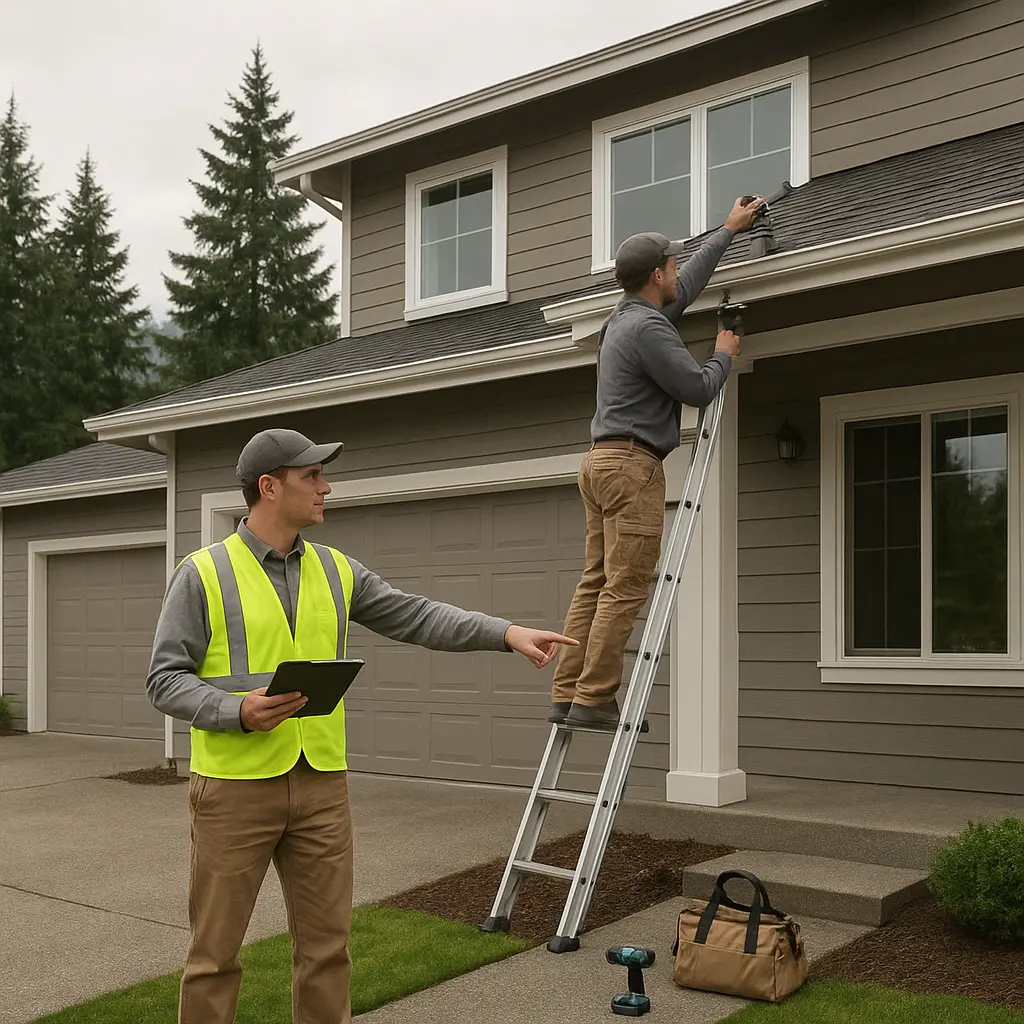
Not every repair is a money pit. Small cosmetic updates can shift buyer perception enough to matter.
What tends to return value:
- Fresh paint and deep cleaning
- New flooring in main living areas
- Updated light fixtures and cabinet hardware
- Landscaping and curb appeal work
These run $5,000–$15,000 and can genuinely help, especially in areas like Covington Town Center where buyers comparison-shop aggressively.
What almost never returns dollar-for-dollar:
- Foundation repairs
- Full roof replacement
- Complete electrical rewiring
- Whole-house replumbing
- HVAC systems
- Structural work
Those repairs are about making the house functional and safe—not about profit. They bring a damaged home back to baseline. Baseline doesn’t get you a premium.
When Life Complicates the Math
Repairs get harder when you’re juggling something bigger. I’ve worked with people going through divorce who couldn’t agree on repair decisions. I’ve seen inherited properties sit vacant for months while out-of-state heirs tried to coordinate contractors remotely. And landlords managing a rental property that needs updates often hit a wall where tenant turnover and repair costs collide.
In those situations, time and simplicity carry real value. Getting 95% of theoretical maximum while avoiding three months of stress isn’t settling. It’s strategy.
If you’re dealing with unpermitted additions, code violations, or HOA disputes—especially in the areas near Lake Youngs or Jenkins Creek Trail—those complications can delay or kill a traditional sale. Investors typically buy with those issues baked in.
Three Questions Worth Asking Yourself
Before you decide anything, sit with these:
- Do I actually have the cash and time to manage repairs right now?
- What happens to me if the repairs run 50% over budget or take twice as long?
- How fast do I genuinely need to close?
If question two or three makes your stomach tighten, the as-is option deserves serious consideration.
There are multiple paths here. Some people list as-is with a discounted price and find a buyer who wants a project. Others sell directly to an investor. Companies like HouseRush offer cash purchases—you can contact HouseRush for a no-obligation offer on your Covington home—but that’s one option among several. Get multiple perspectives before you commit.
What Actually Matters Here
The house needs work. That’s the reality. The question isn’t whether to feel bad about it—the question is what path gets you the outcome you actually need.
If you’re relocating and need to sell quickly, speed might matter more than maximizing price. If you have six months and cash reserves, maybe the repair route makes sense. Only you know your real constraints.
I’ve watched hundreds of closings. The sellers who came out okay weren’t always the ones who got top dollar. They were the ones who understood their own situation clearly and picked the path that matched it.
Do the math. Be honest about the risks. Then make the call that fits your life.
Two Options for Covington Homeowners
Your situation is unique. That's why we show you both paths.
Cash Offer
- Offer in 48 hours or less
- Close in as little as 14 days
- Sell as-is — no repairs, no showings
- No agent commissions or fees
List on the Market
- Full market exposure in Covington
- Professional pricing strategy
- See exactly what you'd net after costs
- We handle everything
Frequently Asked Questions
Cash offers for homes needing repairs in Covington typically range from 65-85% of after-repair market value, depending on the extent of repairs needed and the specific neighborhood. However, when you factor in repair costs, realtor commissions (usually 5-6%), holding costs, and inspection contingencies, the net difference between selling as-is and listing can be surprisingly small—often just 5-15% difference.
No. We assess repair costs ourselves based on our experience with King County properties and Covington's specific housing stock. You don't need contractor bids or estimates. We handle the evaluation transparently and factor all repair costs into our offer.
Yes. Foundation issues, water intrusion, and structural damage are common in King County homes, and we buy Covington properties with these problems regularly. Whether it's settling, cracking, basement moisture, or mold, we factor repair costs into our offer and close quickly.
We buy homes with HOA violations, unpermitted additions, and compliance issues in all Covington neighborhoods, including Jenkins Creek, Timberlane, and Lakeside. Resolving HOA violations before listing can be expensive and time-consuming, which is why our cash offer works well for these situations.
It depends on the specific repairs and your neighborhood within Covington. Cosmetic updates in high-demand areas like Covington Town Center often pay for themselves. Major structural, electrical, or plumbing repairs rarely do. We show you the math for both scenarios so you can make an informed decision.
Get Your Free Covington Home Comparison
See your cash offer and listing price — takes 2 minutes.