
Sell a House Needing Repairs in Redmond, WA
House needs work in Redmond? Sell as-is for cash or see what repairs could be worth.
That roof isn’t getting any younger. Neither is the furnace, the water heater, or the electrical panel you’ve been meaning to upgrade since 2015.
I spent thirty years as a high school principal, and one thing I learned is that problems don’t solve themselves by ignoring them. Houses work the same way. After three decades of homeownership and serving on Kirkland’s housing advisory board, I’ve watched plenty of Redmond homeowners wrestle with this exact question: fix everything and list, or sell as-is and let someone else handle it?
There’s no shame in either choice. But you need to understand the math before you decide.
The Microsoft Effect on Repair Costs
Redmond isn’t a normal market. The tech presence—Microsoft’s campus is right here—pushes everything up. Home prices, yes. But also contractor rates, permit fees, and material costs. A roofing job that runs $15,000 in Spokane can hit $22,000 here. Foundation work? I’ve seen quotes over $30,000.

The median home price in Redmond hovers around $1.2 million. People assume that means repairs are easier to absorb. The opposite is true. High prices attract picky buyers who expect perfection. They’re not paying a premium for a house that “needs a little work.”
Here’s what catches people off guard:
- Contractor bids come in higher than online estimates
- Four months of carrying costs—taxes, insurance, utilities—add up fast
- Buyers don’t pay extra for working systems; they just expect them
- Post-repair inspections almost always turn up something new
Neighborhood by Neighborhood
Different parts of Redmond have different buyer expectations.
Downtown Redmond and Education Hill draw competitive buyers. They want move-in ready. If your place needs work, you’re swimming upstream. Sell Your Redmond Home to an investor, or prepare to discount heavily.
Overlake and Idylwood have more housing variety. A 1970s split-level with original plumbing isn’t unusual. But updating those systems costs real money, and buyers know it.
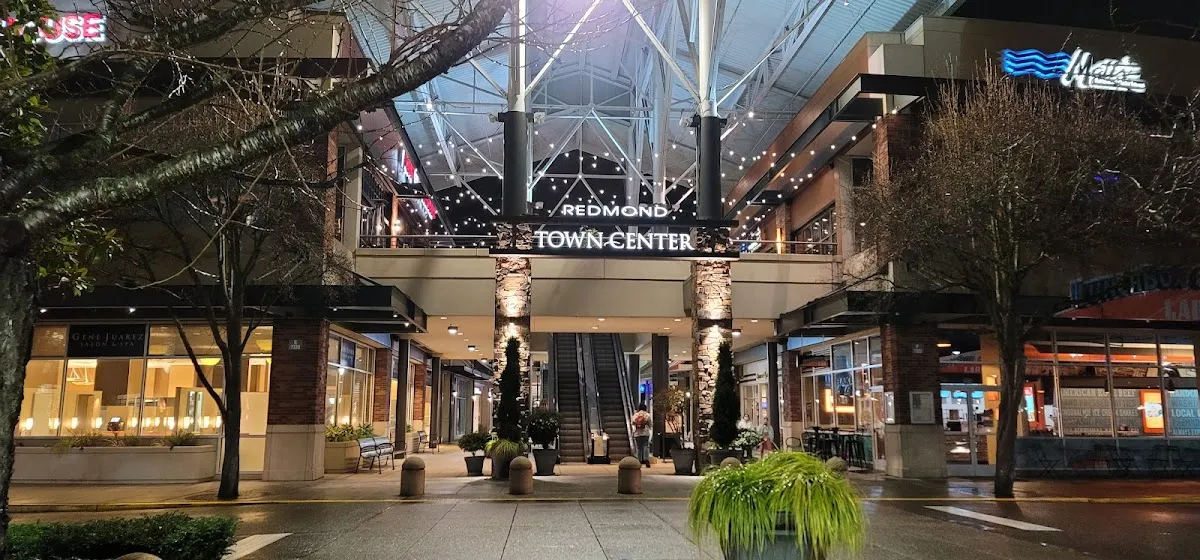
Bear Creek sits near Redmond Town Center and Marymoor Park. Solid location. But older homes with deferred maintenance are common out there. A great neighborhood doesn’t fix a cracked foundation.
When Repairs Make Sense (And When They Don’t)
I’m not here to tell you that selling as-is is always the answer. Sometimes it’s not.
If your house needs cosmetic updates—paint, flooring, dated fixtures—and you have the time and cash, listing traditionally might net you more. Buyers can overlook ugly if the bones are good.
But if you’re facing structural issues, major system failures, or you’re in a time crunch? The math changes fast.
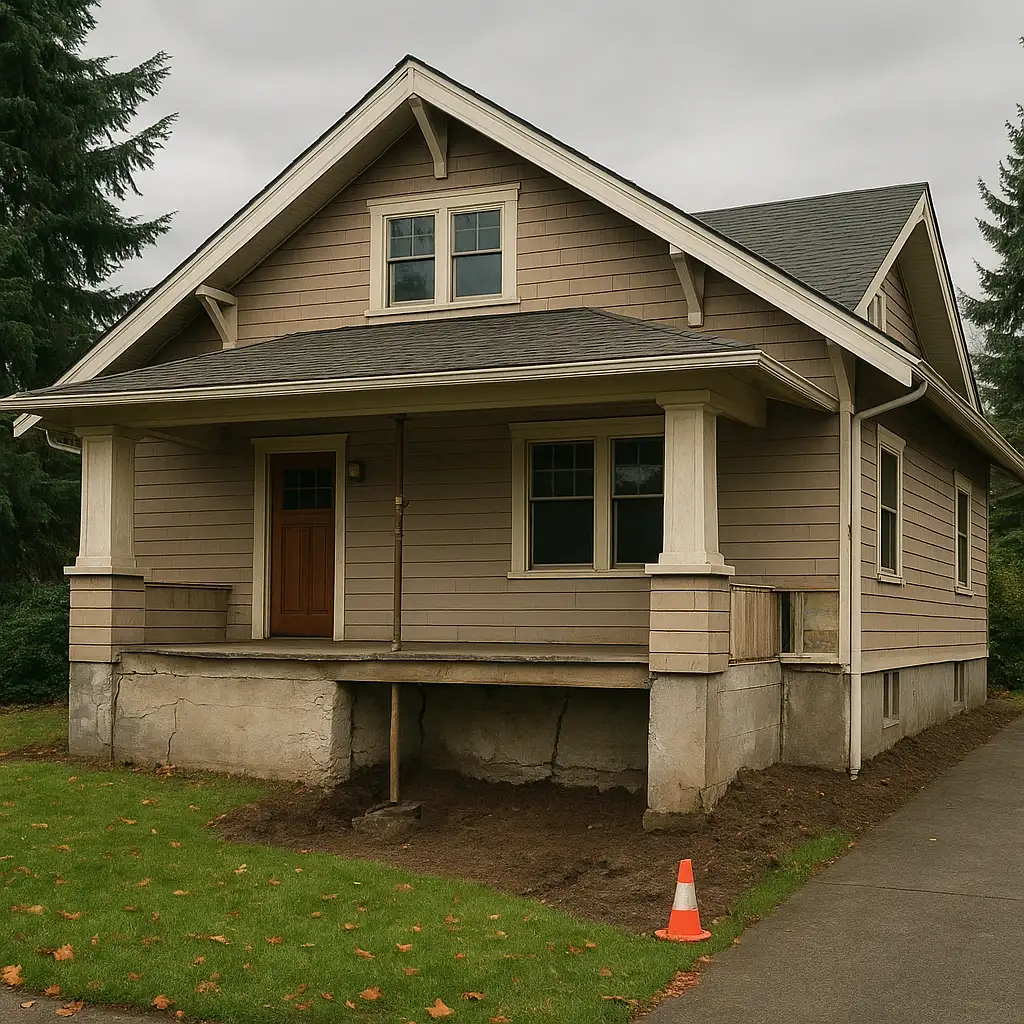
You might be a good candidate for an investor sale if:
- The repairs are big—roof, foundation, electrical, plumbing, HVAC
- You’re Going through a divorce and need to close this chapter
- You’re facing a foreclosure or pre-foreclosure situation with a deadline
- You’re exhausted from managing contractors and inspections
If time is critical, waiting for a retail buyer can cost more than the repairs themselves.
Running the Real Numbers
Let me walk through a realistic scenario. Say your home is worth $1,050,000 as-is. Repairs would cost $75,000, bringing the after-repair value to around $1,125,000.
Here’s how the two paths compare:
Investor offer (as-is): You get $900,000, pay about $2,000 in closing costs, and net $898,000. Timeline: two weeks or less.
Repair and list: You spend $75,000 on repairs. Four months of carrying costs run $14,000. Commission at 5.5% is roughly $62,000. Closing costs are another $3,000. After negotiation, you sell for $1,100,000. Net: $870,250. Timeline: four to six months.
The as-is sale nets $27,750 more. Plus you get your time back.
That won’t always be the case. But this is why I tell people to actually run the numbers instead of assuming.
A cash offer isn’t complicated once you understand how it works. No bank approval, no appraisal contingencies, no last-minute financing fall-throughs.
Redmond-Specific Complications
Some issues hit harder here than elsewhere:
Unpermitted work. That deck addition or basement finish from the previous owner? If there’s no permit on file with King County, a traditional sale can stall or fall apart entirely.
HOA restrictions. Eastside HOAs don’t mess around. Exterior paint, landscaping, fence height—if you’re out of compliance, that’s one more thing to fix before listing.
Tenants in place. Most retail buyers want vacant homes. If you’re renting the property out, that limits your buyer pool significantly.
Inherited properties. I see this a lot. Someone inherits a family home that hasn’t been updated since the 1990s. The emotional weight is hard enough without adding a six-month renovation project.
How to Make the Decision
Here’s my straightforward advice:
Walk through the property with a notebook. Write down every repair, big and small. Don’t skip the stuff you’ve been ignoring.
Pull recent sales in your specific neighborhood—not just “Redmond” but your street, your block. A comp from Education Hill doesn’t tell you much if you’re in Bear Creek.
Get actual contractor quotes. Not online estimates. Real numbers from licensed contractors who work in King County.
Then compare your likely net from listing versus the best as-is offer you can get. Companies like HouseRush are one option, but get at least two investor quotes and a listing estimate so you can see the full picture.
The Honest Answer
Selling a house that needs repairs isn’t giving up. It’s making a practical decision based on real numbers.
If the repair math works and you have the time, list it. If you want help with that, we can discuss listing strategies that fit your situation.
If the math doesn’t work, or if you need to move on with your life, an investor sale is a legitimate choice.
Just don’t guess. Run the numbers, understand what you’re signing up for, and make the call that actually makes sense for your situation. That’s not failure. That’s being smart.

Two Options for Redmond Homeowners
Your situation is unique. That's why we show you both paths.
Cash Offer
- Offer in 48 hours or less
- Close in as little as 14 days
- Sell as-is — no repairs, no showings
- No agent commissions or fees
List on the Market
- Full market exposure in Redmond
- Professional pricing strategy
- See exactly what you'd net after costs
- We handle everything
Frequently Asked Questions
Cash offers for homes needing repairs in Redmond typically range from 65-85% of after-repair market value, depending on the extent of repairs needed and location within King County. However, when you subtract repair costs (which can be substantial in the Puget Sound market), carrying costs, and real estate commissions from a traditional listing, the net difference is often much smaller than it appears.
No. We assess repair costs ourselves based on our extensive experience with Redmond and King County properties. You do not need to hire contractors or get bids. We handle the evaluation transparently and factor all repair costs into our offer calculation.
Yes. Foundation issues are common in older Redmond homes, especially in neighborhoods like Education Hill and Overlake. Whether it's settling, cracking, water intrusion, or structural concerns, we buy properties with foundation problems and factor repair costs into our offer.
We buy properties with code violations, unpermitted additions, and compliance issues—situations that are ideal for a cash offer since resolving violations before listing can be expensive and time-consuming in King County. Many Redmond homeowners have added rooms or renovations without permits, and we handle these situations regularly.
It depends on the specific repairs and your Redmond neighborhood. Cosmetic updates in high-demand areas like Downtown Redmond often pay for themselves. Major structural or system repairs rarely do. We show you the financial comparison for both scenarios so you can make an informed decision.
Get Your Free Redmond Home Comparison
See your cash offer and listing price — takes 2 minutes.